
Copper is being priced as a structural certainty. The macro environment forming beneath it is anything but.
A sequence is beginning to take shape: reaccelerating inflation, constrained policy, and early signs of demand compression.
The market is anchored to copper’s structural future. It may be underestimating the path required to get there.
Copper is holding… The Macro beneath it is not…
The long-term narrative is intact: electrification, supply deficits, structural demand
The Dislocation
Beneath the surface however, a different macro regime is forming.
The narrative is pricing copper’s long-term structural cycle while ignoring a short-term macro shock.
.
.
the chain reaction
.
.
To understand where this disconnect may emerge, it is necessary to step away from copper itself and examine the broader sequence now unfolding across the macro landscape.
What is unfolding now in the aftermath of the Iran conflict is not a single event, it is a chain reaction.
Using historical precedents, we can anticipate potential outcomes.
.
.
1. The oil spike
.
.
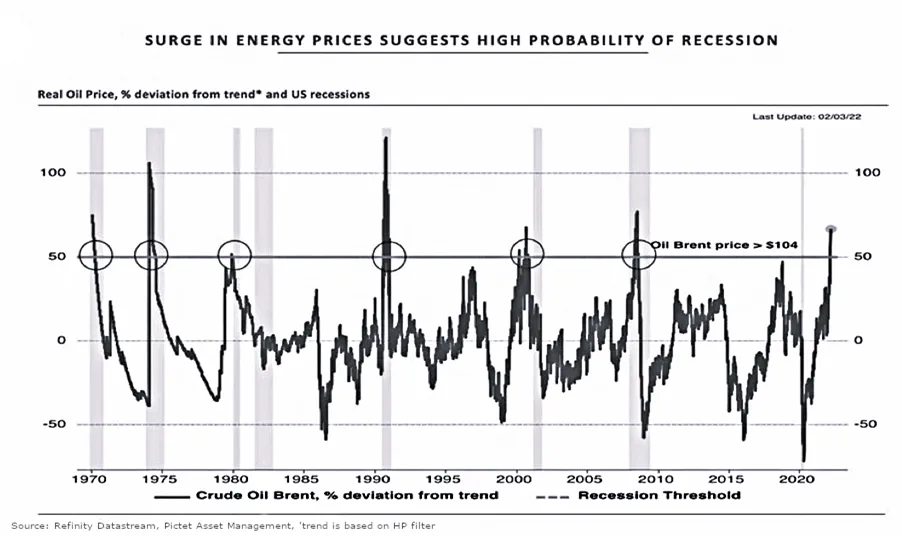
It begins with energy. Oil is not “just another commodity” it is the input cost of the global economy. Elevated price levels are transmitted through transportation and manufacturing, which ultimately manifest in inflation.
Historically, when oil prices breach key thresholds, they began to act as a tax on growth, slowing consumption, compressing margins, and tightening financial conditions.
.
.
Sustained oil spikes have consistently preceded periods of economic contraction.
.
.
2. inflation reacceleration
.
.
The pressure is already begging to surface.
Recent data reflects a reacceleration in producer prices with the lates PPI print coming in at +0.7% – a meaningful move in the context of a market expecting continued disinflation.
As input costs rise, they filter through supply chains, reintroducing upward pressure where the market had begun to assume stability.
This represents an early shift, a pivot from disinflation confidence to inflation uncertainty.
.
.
3. policy constraint
.
.
This shift places the Federal Reserve in a difficult position. At present, there is wide dispersion on the Federal Reserve’s dot plot. What was a clear path toward rate cuts is now increasingly uncertain. Policy makers are not aligned.
While the present factors at play do necessitate immediate tightening, they do remove policy flexibility.
The market which had been pricing relief must begin to reprice for constraint.
.
.
4. demand compression
.
.
This is where the impact becomes tangible.
The implications of higher energy costs and restrictive policy will begin to compress demand across the real economy.
· Industrial activity slows
· Construction weakens
· Manufacturing demand softens
To be clear, this is not a collapse, but a gradual tightening of conditions that reduces marginal demand.
The same demand that sustains cyclical assets – Copper.
.
.
5. copper impact
.
.
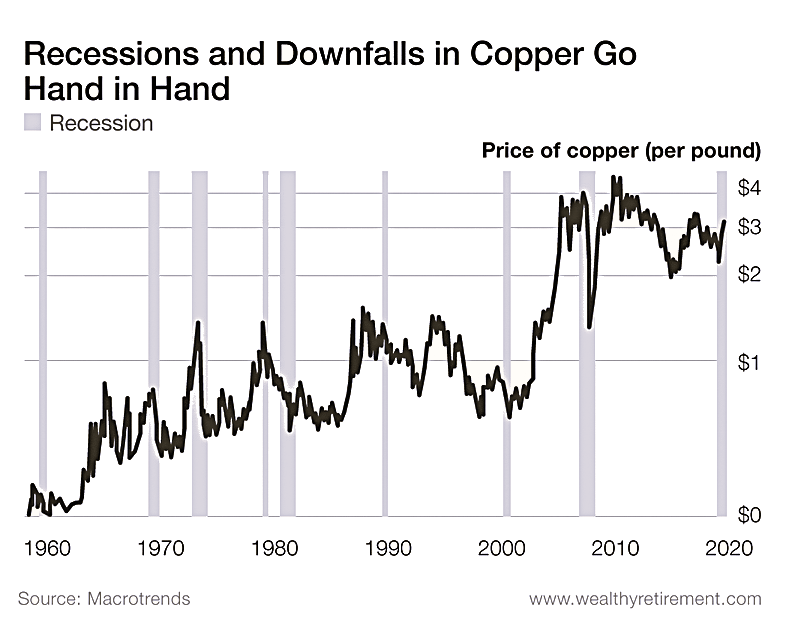
Copper is currently being viewed through the lens of electrification, infrastructure and long-term supply deficits.
In the short term, however, it remains one of the most cyclically sensitive commodities.
.
.
Individually, these shifts appear manageable. In sequence, they form a historical consistent tightening cycle.
If that path continues to unfold, the disconnect between copper’s price, narrative, and its macro environment may become increasingly difficult to sustain.
.
.
A peak behind the curtain
.
.
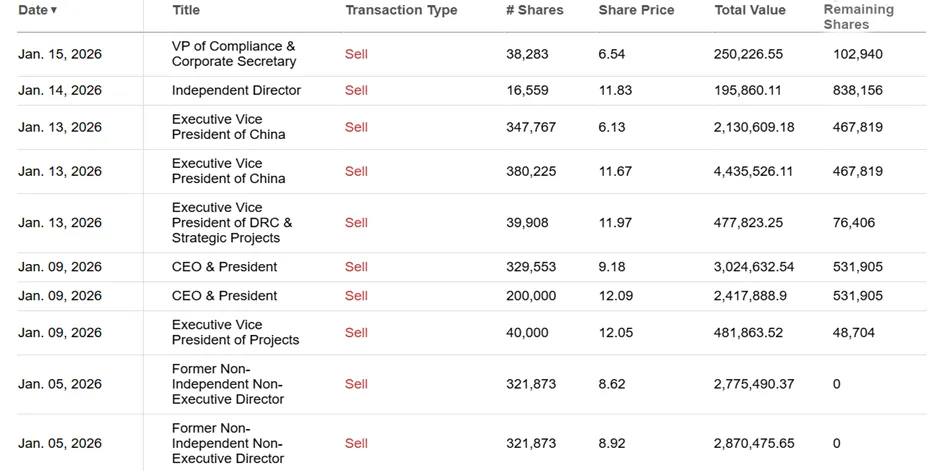
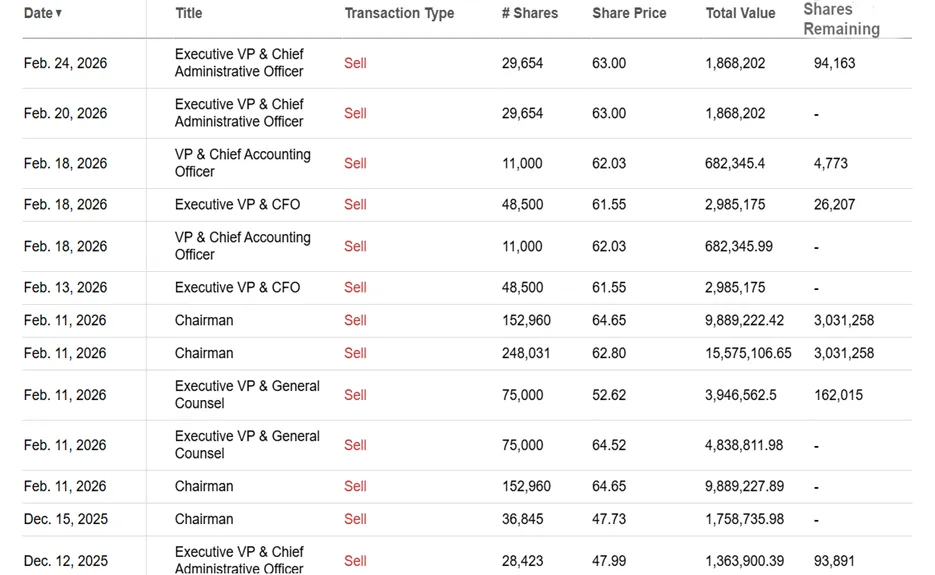
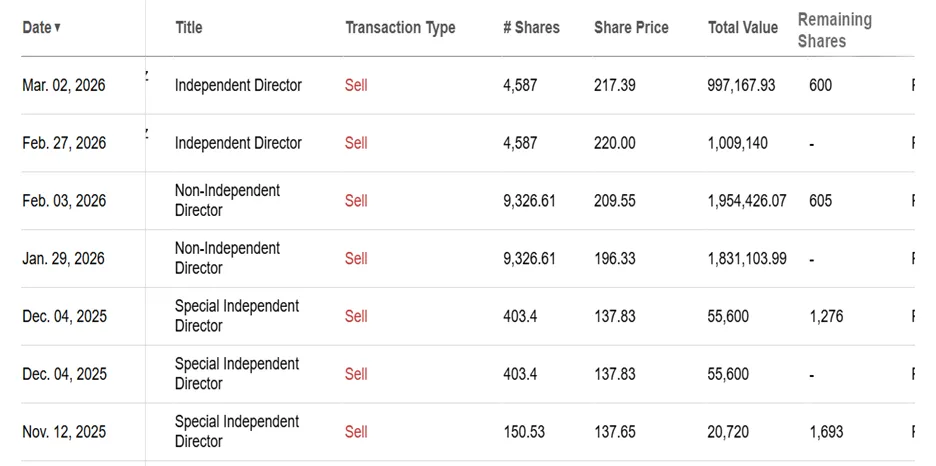
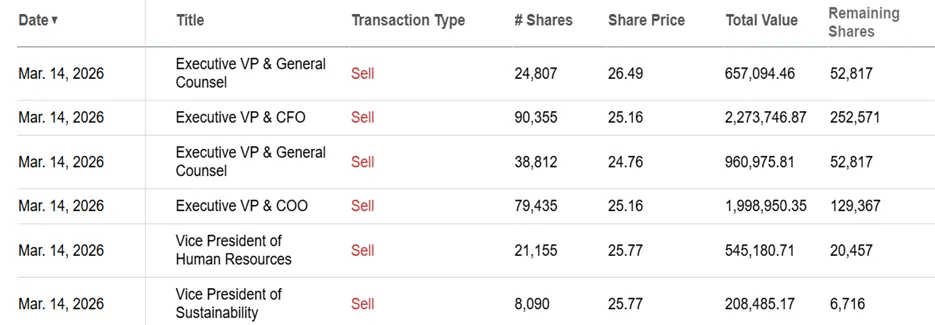
As the mainstream narrative surrounding copper accelerates, a quiet signal is emerging. Across the full spectrum of copper producers, from majors to developers, insider activity has skewed meaningfully toward selling in recent months. While it is true Executives sell shares for a variety of reasons, the context and breadth are significant.
This selling is occurring against the backdrop of:
· Elevated copper price expectations
· Increasingly bullish forward narratives
· Widespread consensus around structural supply deficits
.
.
Narratives are expressed publicly. positioning is expressed privately
.
.
Ivanhoe Mines
.
.
Freeport-McMoran
.
.
Southern Copper
.
.
Lundin Mining
.
.
Why is this Important:
Historically insiders tend to be early in recognizing shifts in risk and timing.
At minimum, this behavior suggests a degree of caution that is not reflected in the broader narrative.
In an environment where consensus is strong, it is the subtle divergences, the non-obvious signals that matter most.
In commodity markets, its often not what insiders say that matters most…
It’s what they do when no one is watching.
.
.
the blind spot
.
.
mispricing
.
.
The current market narrative is anchored in copper’s structural role in electrification and infrastructure expansion manifesting into long-term supply constraints.
The thesis is broadly understood and accepted.
However, what is currently being priced is not only the long-term outlook, but an assumption of near-term continuity of demand. An assumption, that may be premature.
Despite copper’s structural importance, it remains highly sensitive to cyclical shifts in growth, liquidity, and industrial activity.
While near-term conditions appear tight, part of the current supply-demand dynamic has been influenced by strategic stockpiling. At present, the copper market was projected to be in a surplus before strategic stockpiling accelerated.
This form of demand is inherently non-reoccurring.
Forward projections continue to indicate a potential surplus emerging over the medium term. This suggests that current tightness may not fully reflect the current fundamental supply-demand balance.
This raises the possibility that the market is interpreting temporary support as structural scarcity.
.
.
Why its happening
.
.
The mispricing is a result of emphasis.
The structural narrative is compelling, durable, and easy to communicate. It aligns with broader narratives of policy direction and long-term investment themes.
Cyclical pressures, by contrast, are difficult to isolate. Pressures originating from second-order macro effects are less visible.
Recent strength in oil has largely been viewed as a discrete geopolitical event, discounting its potential as a catalyst for broader economic tightening.
.
.
why it matters now
.
.
The timing of this unfolding dynamic is critical.
The chain reaction set in motion by higher energy prices is just beginning to surface.
· Inflation pressures are re-emerging
· Policy flexibility is narrowing
· Growth expectations are exhibiting fragility
In isolation these shifts may appear incremental.
Collectively, they represent the early stages of a tightening cycle that has historically weighed on cyclical assets.
The market is still anchored to the structural narrative. The macro shift is only beginning to surface.
If this process continues to unfold, copper may begin to reflect not the strength of its long-term narrative,
but the constraints of its near-term environment.
.